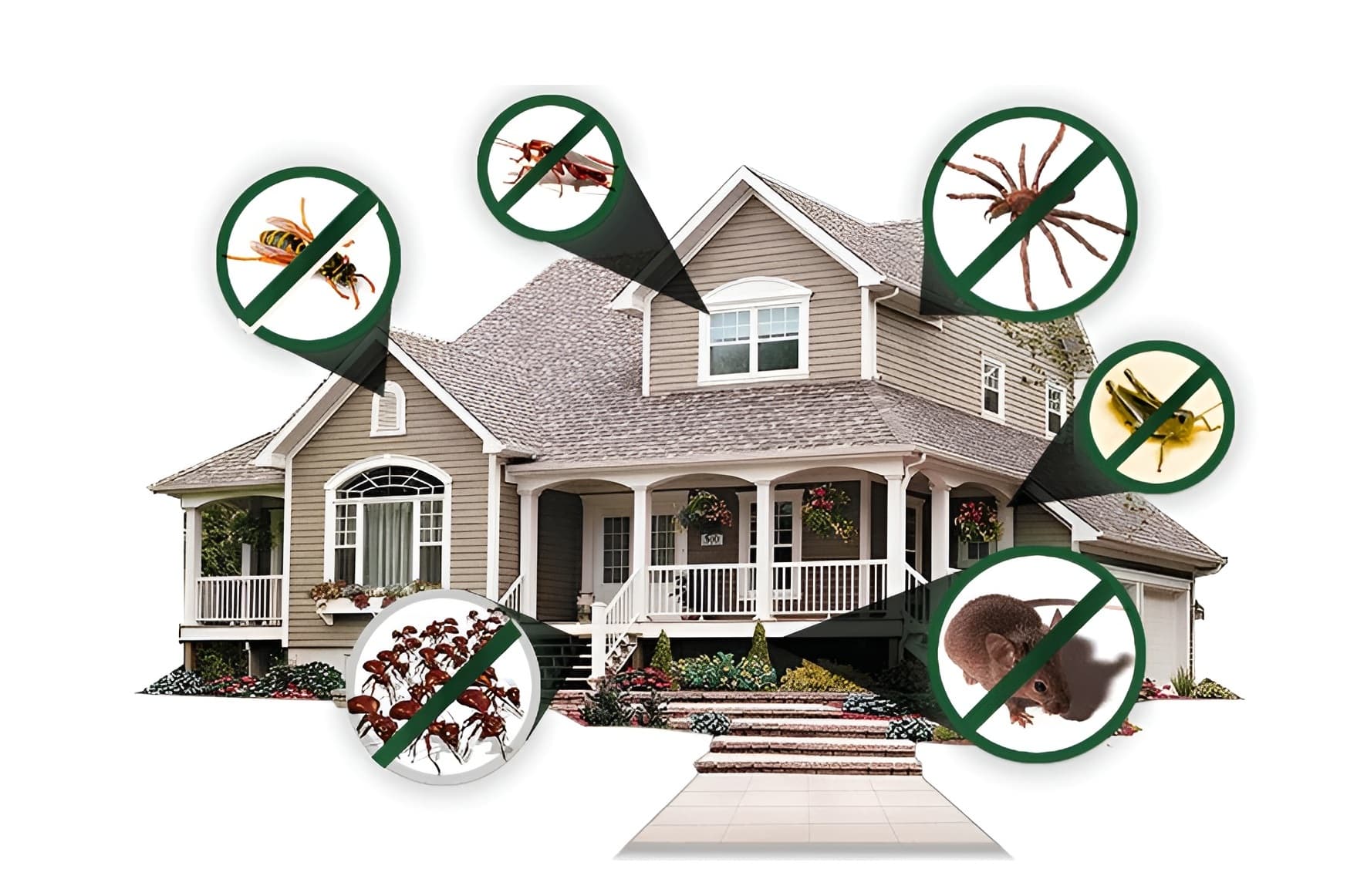
Droppings in a kitchen, a mouse near a pipe or suspected bed bugs can leave a landlord and tenant asking the same question: who is responsible for pest control in a rented property in Ireland?
Rental standards set duties for the home but no bill-paying rule for every treatment. Cause, timing and evidence may matter in practice. This guide covers the standards, practical next steps and where to ask for help. For Dublin rodent callouts, see our guide to who to call about rats or mice.
Jump to a section: Who pays? · What to do · Official routes · FAQs
RTB pests in rented property: what do Ireland's minimum standards say?
Irish standards require measures to prevent pests entering or harbouring where necessary, and access to pest-proof refuse storage. They do not name a treatment payer. The Housing (Standards for Rented Houses) Regulations 2019 (S.I. No. 137/2019) contain the specific provisions.
Regulation 4(4) states: Where necessary, adequate provision shall be made to prevent harbourage or ingress of pests or vermin.
In plain English, suitable measures may be needed to prevent pests sheltering in or entering the home. This provision does not specify a treatment, contractor or invoice payer.
Regulation 11 says: The house shall have access to suitable and adequate pest and vermin proof refuse storage facilities.
It addresses refuse-storage access. The RTB summarises the standard as: Measures must be taken to prevent vermin and pest infestations.
It also says tenants must keep the home in good condition and report repair needs.
Regulation 4(2) requires structural elements not to be defective due to dampness or otherwise. Damp or a defect may raise a separate standards question, but a pest sighting alone proves neither. The Regulations say “pests or vermin”; they do not mention “rodent” or “infestation”, and the pest provisions do not name a payer.
Who pays for pest control in a rented house in Ireland: landlord or tenant?
There is no universal bill-paying answer. The standards set duties for the home; cause-based responsibility comes from commentary, not a treatment-payment rule in the pest regulations.
| Situation | Likely responsibility to consider | Why / source |
|---|---|---|
| Pests may enter through gaps, damaged pipes, drains or another defect. | The landlord may need to address a building or standards issue. | Regulation 4(4) covers ingress where necessary; a cause-based payer view is commentary, not law. |
| The home does not have access to pest- and vermin-proof refuse storage. | The landlord is responsible for ensuring the property meets minimum standards. | Regulation 11 and the RTB's minimum-standards summary address refuse storage and pests. |
| Damp or a structural defect is present with silverfish activity. | The home may need attention; the insect alone does not decide responsibility. | Regulation 4(2) covers structural condition. See our silverfish guide. |
| Food or rubbish is left out, or an external door is left open. | Tenant actions may matter if evidence links them to the issue. | This is surveyor commentary, not a pest-cost rule in the Regulations. |
| Pests are present at move-in, or source and timing are unclear. | That fact alone does not decide responsibility. | Compare move-in records, photos, messages, reports and inspection findings. |
| Activity is first noticed after furniture or belongings arrive. | Timing alone does not establish the source or fault. | Record dates and ask what an inspection can establish. |
| The likely source is a shared area or another apartment. | Notify the landlord and ask them to coordinate with management. | The RTB says landlords should pass written complaints to the management company and relay its response. |
One chartered surveyor writing in the Irish Times property clinic described entry points and housekeeping as possible causes to investigate. This is commentary, not law or a prediction for another tenancy; the official sources reviewed contain no general pest-treatment payment rule.
Is a tenant responsible for pest control in Ireland? What should tenants do?
The minimum-standards rules do not say tenants always pay for pest treatment. The RTB says tenants must keep the home in good condition, report repairs promptly and allow maintenance access by prior agreement.
Send a dated message describing what you found, where and when. Attach relevant photos, keep the replies and note appointment details. Describe a possible defect without guessing at its cause.
Keep food closed, use the bins provided and report missing or damaged refuse storage. These practical steps do not prove a tenant caused the issue. Do not alter or repair the building without written agreement.
The RTB says rent remains due in full and on time during a dispute. Keep rent and pest-cost discussions separate; use the RTB process or independent advice if the disagreement continues.
What are a landlord's pest control obligations in Ireland?
The RTB says landlords must ensure minimum standards and complete necessary repairs within a reasonable time. The pest provisions cover prevention and refuse storage, not a universal treatment-payment rule.
On a report, arrange an inspection and check for a defect, refuse-storage issue or shared-area source. Give notice for inspections; entry generally needs the tenant's permission except in an emergency. Maintenance access should be agreed in advance.
For apartments, the RTB says landlords should pass written property complaints to the management company and relay its response. Keep that exchange with inspection notes and contractor correspondence.
The RTB warns that a landlord can be prosecuted for standards non-compliance. Local authorities enforce standards after inspection; the RTB resolves tenancy disputes about costs.
Step by step: what to do when you find pests in a rental
Record the issue, notify the landlord in writing and agree access and costs before treatment is booked.
- Record what you found. Note the date and room; photograph visible signs, damage, possible entry points or refuse-storage problems. If requesting an inspection, avoid disturbing the evidence first.
- Tell the landlord or letting agent in writing. Say what you saw, where and when. Attach relevant photos, request an inspection within a reasonable time and keep the message and reply.
- Agree access and the plan. Offer suitable times. Before booking a contractor, confirm who arranges the work and how costs will be handled.
- Ask what a professional can document. Ask what the provider can identify, such as activity or possible entry routes. A report may not establish when activity began or who caused it; agree its scope first.
- Use an official route if unresolved. Ask your local authority about an inspection if standards may be breached; contact the RTB about a tenancy dispute over obligations or costs.
- Keep tenancy-end evidence. Save move-in photos, messages, inspection records, invoices and receipts. Use the RTB process if a deposit dispute arises.
Neutral message template
Hello [landlord / letting agent],
I am reporting pest activity at [rental address], first noticed in [room] on [date]. Photos of [signs / possible entry point] are attached.
Could you arrange an inspection within a reasonable time? I can provide access at [times]. Please confirm who will arrange any work and how costs will be handled.
I will keep a record of the issue and our messages.
Regards,
[name]
Your two official routes: RTB or your local authority
The RTB resolves tenancy disputes; local authorities enforce minimum standards through inspections. Use the route that fits the concern, or both if needed.
RTB dispute resolution
Tell the landlord in writing and allow reasonable time to investigate. If unresolved, request RTB dispute resolution for the tenancy disagreement. The RTB has no pest-specific rule on who pays for treatment.
Local authority environmental health inspection
For a possible standards breach, contact your city or county council's environmental health section. The RTB says local authorities may issue an Improvement Notice requiring work or a Prohibition Notice preventing re-letting until issues are resolved.
In Dublin, first contact the landlord; if unresolved, Dublin City Council says Environmental Health may advise, inspect or refer the matter. An inspection may include notes and photographs and access to all rooms. The private-rented complaints number is 01 222 6500; check the council page for its current form and details.
The council describes an improvement letter or notice as an earlier step. Re-letting in breach of a Prohibition Notice may lead to prosecution, a fine up to €5,000, imprisonment up to six months, or both, plus €400 per day for a continuing offence. Environmental Health does not mediate landlord-tenant disputes; the RTB does. Elsewhere, contact your local authority.
Mice, rats, bed bugs, cockroaches and silverfish: what is different?
The same rental standards apply across these situations, but the evidence and property questions can differ. None of the pest-specific provisions names a treatment payer, so report what is observed and avoid deciding cause from the pest name alone.
Mice in a rented house in Ireland: what should the landlord consider?
For mice in a rented house in Ireland, landlord responsibility may be relevant where the evidence points to a gap, damaged pipework, refuse-storage issue or other defect requiring attention. Note which rooms are affected and photograph visible signs or possible entry points; that can help an inspection focus on the property condition. A tenant action may also be relevant if evidence shows it contributed, but the regulations do not set a specific treatment-bill rule. Neither a sighting nor its location alone establishes the source. The standards and evidence should be considered together.
Rats in a rented property in Ireland: landlord or tenant?
For rats in a rented property in Ireland, landlord or tenant responsibility cannot be decided from the pest alone. Record where activity was seen and any possible route, such as a visible gap or a concern in a shared area, then tell the landlord in writing. The Dublin rats-and-mice drain guide covers drain-related route questions, while our guide to who to call about rats or mice explains local response options. Supreme also has separate mice control and rat control service pages. Ask what an inspection can establish before agreeing a scope or payment.
Bed bugs in a rented property in Ireland: landlord or tenant?
Bed bugs in a rented property in Ireland do not have a specific payment rule in the minimum-standards regulations. Photograph what you find, note when and where activity was first seen, and tell the landlord or letting agent promptly. The timing of discovery alone does not establish where the issue began or who caused it. Ask about an inspection and agree access and payment arrangements in writing before booking work yourself. For Supreme's inspection and treatment information, see the bed bug service page; it does not decide tenancy responsibility.
Cockroaches in a rented flat in Ireland: landlord or tenant?
Cockroaches in a rented flat in Ireland are also handled through the general standards and evidence; the rental regulations do not name cockroaches or identify a payer for treatment. Report the issue in writing, note the affected rooms and whether you have seen a concern in a shared space, and ask whether the landlord can arrange an inspection. If a contractor is being considered, confirm who will book the work and how payment will be handled first. The site's Dublin cockroach control page describes its service information, but it cannot determine tenancy liability.
Silverfish and damp
Silverfish activity alongside damp may prompt a separate question about the home's condition, because Regulation 4(2) addresses structural condition and dampness. A silverfish sighting by itself does not prove that the home is damp or establish responsibility. Note any visible moisture or damage separately, report a possible leak or defect to the landlord, and keep dated photographs of what you observed. The pest regulations do not identify a treatment payer. Read our silverfish in Ireland guide for practical context, and use the RTB or local authority route if a rental-standards concern remains unresolved.
Can a landlord deduct pest control costs from my deposit in Ireland?
The RTB lists rent arrears, unpaid bills and damage beyond normal wear and tear among possible deposit-deduction grounds; it does not name pest invoices separately. Whether a cost fits a permitted ground depends on the evidence and tenancy facts.
Keep move-in records, dated reports, messages, inspection notes and receipts. For a disagreement, check the RTB security-deposit guidance and dispute route. Surveyor commentary about cost recovery is an opinion, not an automatic right to deduct a treatment invoice.
Can a tenant arrange pest control and claim the cost back?
The RTB describes reimbursement for some necessary repairs arranged by a tenant when the landlord cannot act within a reasonable time, if costs are reasonable and receipts are kept. It does not say pest treatment always qualifies.
Ask the landlord in writing to inspect and agree the work and cost before booking. Keep the reply, provider scope, report and receipt; hiring a contractor does not automatically create a right to repayment.
Rent remains due in full and on time during a dispute. Do not deduct pest costs from rent; ask the RTB for guidance.
For landlords and letting agents: a practical prevention checklist
This checklist follows the standards and RTB guidance to support clear reporting and inspection; it cannot guarantee prevention.
- Check refuse storage. Confirm access to pest- and vermin-proof refuse storage, as Regulation 11 requires.
- Review entry points. During maintenance, check service gaps, doors and damaged building elements; arrange repairs where needed under Regulation 4(4).
- Address damp and ventilation concerns. Investigate reported leaks, dampness or ventilation issues as part of maintaining the home.
- Keep a move-in record. Photograph relevant rooms, refuse storage and visible repairs at the tenancy start.
- Set a written reporting process. Tell tenants and agents where to report issues and how access can be arranged.
- Respond and coordinate. Acknowledge reports, agree access and relay management-company responses for apartments.
- Keep records. Save inspection notes, contractor details, messages, agreed work and receipts. Confirm report scope before booking.
- Give notice for inspections. The RTB says landlords must notify tenants; entry otherwise needs permission except in an emergency.
For pest help with a rental, send Supreme Pest Control the property type, concern and Eircode. The team can confirm the scope available for your enquiry; rental-specific reports or contracts are not promised here.
Need pest control for a rented property?
Send the Eircode, affected rooms and photos. Agree access and payment with the other party before booking treatment.
What changed in March 2026?
The Residential Tenancies (Miscellaneous Provisions) Act 2026 introduced changes from 1 March 2026 for new tenancies, including rules about security of tenure, ending tenancies and rent controls. The RTB's summary does not address minimum standards, repairs or pest-treatment responsibility. Do not assume those changes decide who arranges or pays for pest control; check the RTB's latest rental-law guidance for the rules that apply to your tenancy.
Frequently asked questions
Common Questions
Answers about Irish rental standards, evidence, treatment costs and the official routes.
Is the landlord responsible for pest control in Ireland?
Landlords must ensure the home meets minimum standards, including pest-prevention measures where necessary and access to pest-proof refuse storage. The rules do not decide every treatment bill; the cause, evidence and tenancy facts may matter.
Who pays for mouse or rat control in a rented house in Ireland?
The rental standards set no specific payment rule. A defect or refuse-storage issue may call for landlord attention; evidence that a tenant contributed may matter in practice. That cause-based approach is commentary, not a rule in the regulations.
Are bed bugs the landlord's or the tenant's responsibility in Ireland?
The standards contain no bed-bug-specific payment rule. Record where and when activity was found, notify the landlord or agent, and agree in writing who arranges an inspection and how costs will be handled before you book work.
What do Irish minimum standards say about pests in rented homes?
Regulation 4(4) addresses preventing pest harbourage or ingress where necessary; Regulation 11 addresses pest-proof refuse storage. The RTB explains landlords' minimum-standards duty and tenants' duties to maintain the home and report repairs.
Can a landlord deduct pest control costs from my deposit in Ireland?
The RTB lists grounds such as rent arrears, unpaid bills and damage beyond normal wear and tear; it does not name pest invoices separately. Whether a cost fits a permitted ground depends on the evidence. Use the RTB process for a dispute.
Can I arrange pest control myself and claim the cost back from my landlord?
The RTB describes reimbursement for certain necessary repairs arranged by a tenant when the landlord cannot act within a reasonable time, if costs are reasonable and receipts kept. It does not say pest treatment always qualifies; get written agreement first.
Who do I complain to about pests in a rented home?
Report it in writing and allow reasonable time for investigation. If unresolved, contact the RTB about a tenancy dispute or your local authority about a standards inspection. These routes address different issues and can both be relevant.
Does my landlord need to give notice before entering for pest treatment?
RTB guidance says entry generally needs the tenant's permission except in an emergency; maintenance access should be arranged by agreement. It gives no separate pest-treatment notice period, so agree an inspection time in writing.
Did the March 2026 rental law changes alter who is responsible for pests?
The RTB's summary describes new-tenancy changes from 1 March 2026 on security of tenure, ending tenancies and rent controls. It does not discuss pest responsibility. Check current RTB guidance for the rules that apply to your tenancy.
Sources and official links
Use the statutory text and current RTB guidance for your circumstances. The RTB notes that its web pages are simplified summaries of rental law.
- Housing (Standards for Rented Houses) Regulations 2019 (S.I. No. 137/2019)
- RTB: Minimum standards for rental properties
- RTB: Tenant rights and responsibilities
- RTB: Landlord rights and responsibilities
- RTB: Security deposits
- Dublin City Council: Inspections and enforcement for private rented accommodation
- RTB: Rental law changes from 1 March 2026
Commentary (not law)
General information, not legal advice. Last checked 14 November 2026. Contact the RTB and your local authority for guidance about your tenancy.
Related Guides
Who to Call About Rats or Mice
Practical options for a Dublin rodent concern and when to ask for help.
Silverfish in Ireland
Identify signs and understand how damp or building condition may be relevant.
Bed Bugs in Dublin Apartments
Coordinate reporting, inspection access and preparation in an apartment.
Need help with pests in a rental?
Contact Supreme Pest Control
Share the property type, pest concern and Eircode. Confirm access and payment arrangements with the other party before treatment is booked.