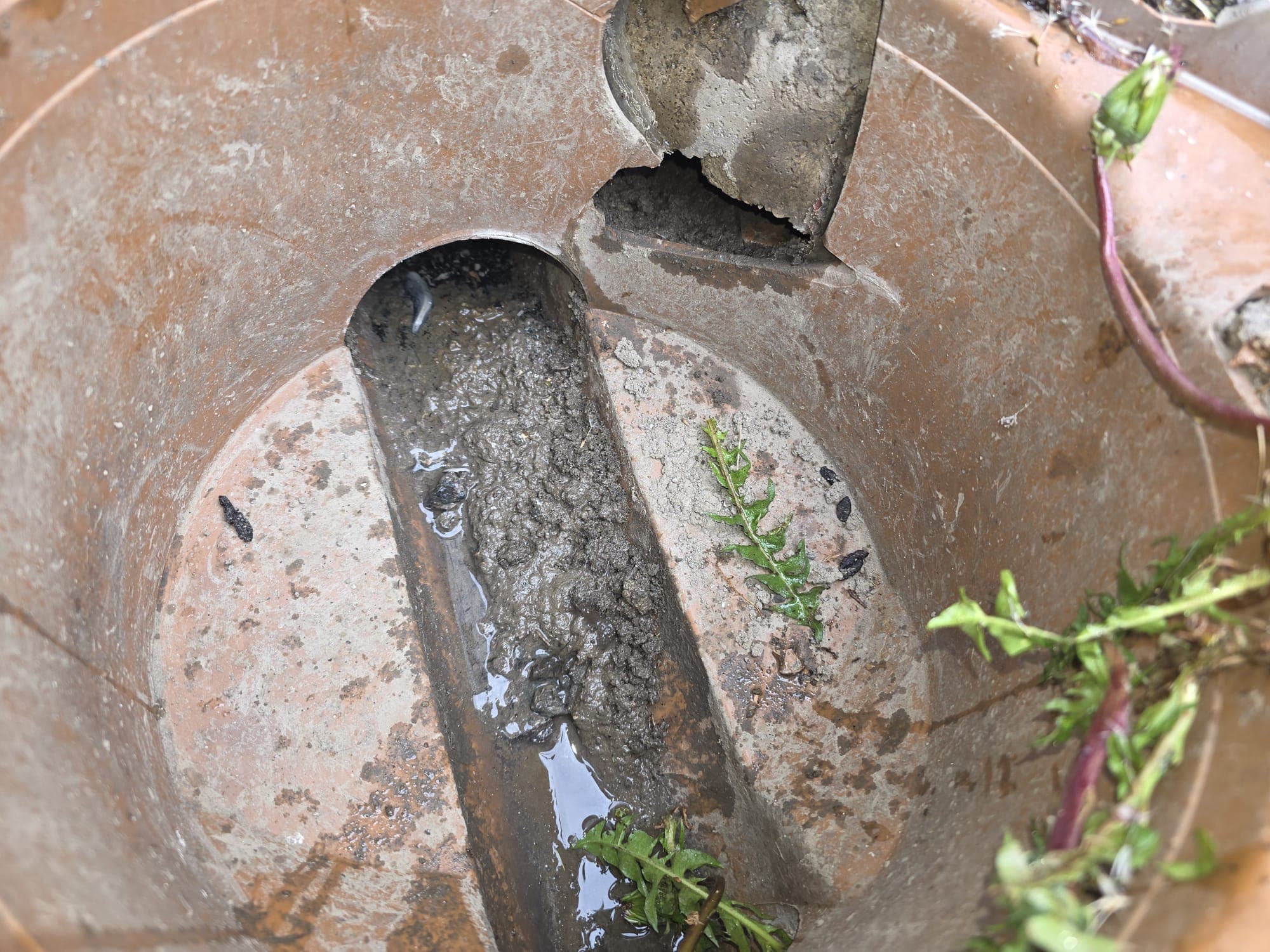
If you have heard persistent scratching noises inside the walls after dark, spotted chewed food containers in the kitchen cupboard, or discovered dark capsule-shaped droppings beneath your sink, you are dealing with an active rodent issue. In Dublin homes and businesses, rat and mouse callouts are a year-round reality. However, the reason why most homeowners fail to solve the problem permanently is not the trap or bait they used. It is the entry point they never closed.
Quick answer: Most rat infestations in Dublin homes do not originate in the garden or street level. Industry findings confirm that up to 80% of rat infestations start underground within defective, cracked, or unsealed drainage pipework. This underground network allows rodents to move freely between properties without ever being seen on the surface. Traditional traps and poison only target the rodents currently inside your living space. Only proper drain inspection and entry-point proofing stop the next wave from entering.
Rats entering through drains frequently climb into wall cavities and gnaw through PVC electrical insulation. Chewed wiring is a major recognized cause of unexplained domestic house fires across Ireland. If you hear gnawing sounds near fuse boards or inside wall voids, call our 24/7 emergency team immediately on +353 89 657 4299.
Rat or Mouse? How to Tell in 30 Seconds
Treatment methods, bait strength, and required proofing mesh sizes differ significantly between rats and mice. Identifying which species has entered your property is the essential first step before laying traps.
| Identification Sign | Brown Rat (Rattus norvegicus) | House Mouse (Mus musculus) |
|---|---|---|
| Droppings Size & Shape | 12–20mm long, capsule-shaped, dark brown or black | 3–6mm long, thin pointed pellets (grain-like) |
| Entry Gap Required | As small as 12mm (1/2 inch, coin size) | As small as 6mm (1/4 inch, pencil width) |
| Noise Profile | Heavier scratching, thumping in lofts, gnawing under floorboards | Light, rapid scurrying behind kitchen units or kickboards |
| Nesting Habit | Sewer junctions, drain gullies, wall cavities, sub-floor voids | Warm enclosed areas near food: cookers, boilers, airing cupboards |
| Typical Smell | Strong, foul ammonia odor in enclosed areas | Musty, stale odor in cupboards or drawers |
For detailed guidance on treating mice specifically, see our companion guide on how to get rid of mice in Dublin. If you suspect rat activity or notice sewer smells, treat it as a drain-entry priority and act quickly.
The Real Reason Dublin Homes Get Rats: Your Drain Network
Most online DIY pest advice advises sealing door sweeps and filling brick gaps. However, sealing your back door does not help if rodents are climbing up through an unsealed soil stack or damaged sewer pipe beneath your kitchen floor.
Dublin has a diverse range of housing stock. Older terraced homes, Victorian redbricks, and even modern developments built over legacy drainage infrastructure often feature sewer pipework that was never retrofitted with rodent protection. Rats require very little to break out of a drain: a hairline crack in a clay pipe joint, an uncapped redundant branch line, or a displaced gully grid is all it takes.
Once inside the main sewer pipe, rats travel between entire blocks of houses undetected. This explains why property owners experience recurring rat infestations every few months even after laying poison. You are clearing the individual rats inside your house, but the subterranean doorway remains wide open.
8 Warning Signs You Have Rats or Mice Entering Through Drains
Recognizing these signs early is crucial. The faster you identify drain-entry rodent activity, the simpler and less costly the proofing process will be.
Droppings Under Sinks & Appliances
Finding fresh droppings under kitchen units, near waste pipes, or behind washing machines indicates an entry point near plumbing lines.
Scratching & Thumping Noises at Night
Rats are nocturnal. Sounds coming from beneath floorboards, behind bath panels, or inside wall cavities usually mean rats traveling from sub-floor drains.
Foul Sewer or Ammonia Smells
A distinct sewer gas smell or heavy ammonia odor near kickboards or utility rooms often signals a broken drain pipe allowing sewer air and rats into the cavity.
Gnaw Marks on PVC Pipes & Skirting
Rats have open-rooted teeth that grow continuously. Seeing fresh gnaw marks on PVC soil stacks, waste pipes, or timber skirting is a definitive warning sign.
Greasy Smear & Rub Marks
Rats follow fixed travel routes. Their fur deposits dark, oily grease marks along walls, pipes, and floor joists over time.
Shredded Nesting Insulation
Finding gathered pipe insulation, paper, or fiberglass stuffing under floorboards or in loft spaces points to established nesting.
Displaced Gully Covers & External Burrows
Holes around external drain gullies or loose inspection chamber lids in gardens show where rodents are breaching the drain surface.
Alert Pet Behavior
Dogs and cats frequently scratch at kitchen kickboards, bath panels, or floor vents long before humans spot physical evidence.
Rat & Mice Risk by Dublin Area: Local Insights
Different areas across County Dublin and surrounding counties face distinct rodent challenges based on housing age, infrastructure, and geographical features:
Dublin City Centre (D1, D2, D7, D8)
Dense, historic terraced housing with aging brick sewers and high food-outlet concentration experiences persistent year-round rat pressure. Bin storage areas shared between adjoining properties and legacy drain connections are primary risk points.
County Wicklow (Bray, Greystones, Wicklow Town)
Semi-rural and coastal properties see increased mouse movement indoors during autumn, alongside garden rat activity around sheds, septic tanks, and waste gullies. For dedicated Wicklow service, view our Wicklow pest control guide.
County Meath & Greater Dublin Area
Callouts across Meath and outer suburban postcodes show an upward trend linked to ongoing housing developments disturbing existing field nests and sewer lines.
What Proper Drain-and-Entry Proofing Involves
Effective rodent proofing requires a structured mechanical approach rather than temporary chemical sprays or standard DIY expansion foam, which rats can chew through in minutes.
Supreme’s 4-Step Drain Proofing Protocol
- 1. Full Internal & External Drain SurveyWe inspect manholes, soil stacks, gully traps, and sub-floor pipework to trace the exact rodent migration route.
- 2. Installation of Stainless Steel Rat BlockersWe fit marine-grade stainless steel non-return valves (rat valves) into sewer outlets. These allow waste to flow out freely while physically blocking rats from swimming up into your domestic pipework.
- 3. Mechanical Gap Sealing with Steel MeshEvery gap larger than 6mm (mice) or 12mm (rats) around wall penetrations, air bricks, and pipe entry points is sealed using heavy stainless steel wire mesh and mortar.
- 4. Post-Proofing Monitoring & VerificationWe carry out follow-up checks to verify that active infestation signs have ceased completely and no new entry routes exist.
DIY vs. Calling a Professional: Honest Checklist
Snap traps and retail bait stations can clear an isolated mouse caught early. However, they almost never solve an established infestation or close a compromised sewer line. Call a licensed professional if any of the following apply:
- You have seen multiple rats or droppings in multiple rooms
- Activity is indoors inside wall cavities, lofts, or under floorboards
- DIY snap traps or bait have failed after 7–10 days
- You smell sewer gases or strong ammonia odors indoors
- You run a food business (HACCP & FSAI legal requirement)
- You suspect drain entry and cannot access manholes safely
- You find gnawed electrical cabling or insulation damage
- You require certified, licensed extermination in Dublin
To learn what qualifications and licensing numbers every Dublin pest controller must possess, read our guide on licensed pest control verification in Dublin.
Health & Structural Risks: Why Speed Matters
Rats and mice carry harmful human pathogens, including Leptospirosis (Weil’s disease), Salmonella, and E. coli, transmitted through urine, feces, and contaminated food surfaces.
Additionally, rodents pose a severe structural fire risk. Because their incisors continuously grow, rats gnaw on hard materials, including domestic electrical cabling inside floor joists and ceiling voids. A single untreated rodent pair can multiply into dozens within weeks, increasing health and safety risks exponentially.
How Much Does Rat & Mice Control Cost in Dublin?
Pricing depends on infestation severity, property size, and whether physical proofing or drain blocker installation is required. Request a free, no-obligation quote for an exact figure tailored to your property.
Frequently Asked Questions
Expert Answers on Dublin Drain Rodent Control
Do rats come up through toilets in Dublin homes?
+
It is rare but possible if a drain is severely compromised near the property. It is far more common for rats to enter through cracked pipework, unsealed gully traps, or gaps around soil stacks than through the toilet bowl itself.
How much does rat proofing cost in Dublin?
+
It depends on how many entry points need sealing and whether stainless steel drain blockers are required. Contact Supreme Pest Control for a free quote based on your property.
Are rats worse in winter in Dublin?
+
Indoor rodent activity often increases in autumn and winter as rats seek warmth, but drain-related infestations occur year-round regardless of outside temperature because sewers provide constant shelter.
What is the difference between rat and mice control treatment?
+
Both are rodents, but they behave differently. Rats need a larger entry gap (12mm), tend to nest near drains and wall cavities, and are wary of new objects. Mice are curious, can enter through 6mm gaps, and breed faster.
How quickly can you respond to a rat or mice emergency in Dublin?
+
We offer 24/7 emergency response across Dublin, Wicklow, Kildare, and Meath, aiming to be on-site same-day for urgent cases.
Can I just use bait or traps myself first?
+
For a single mouse caught early, DIY trapping can work. For rats or persistent rodent activity lasting more than a week, DIY methods usually treat the symptom without closing the entry point.
For a full breakdown of our core service, view our dedicated page on rat and mice control in Dublin. Commercial premises and food businesses should also visit our commercial pest control section for HACCP-compliant service contracts.