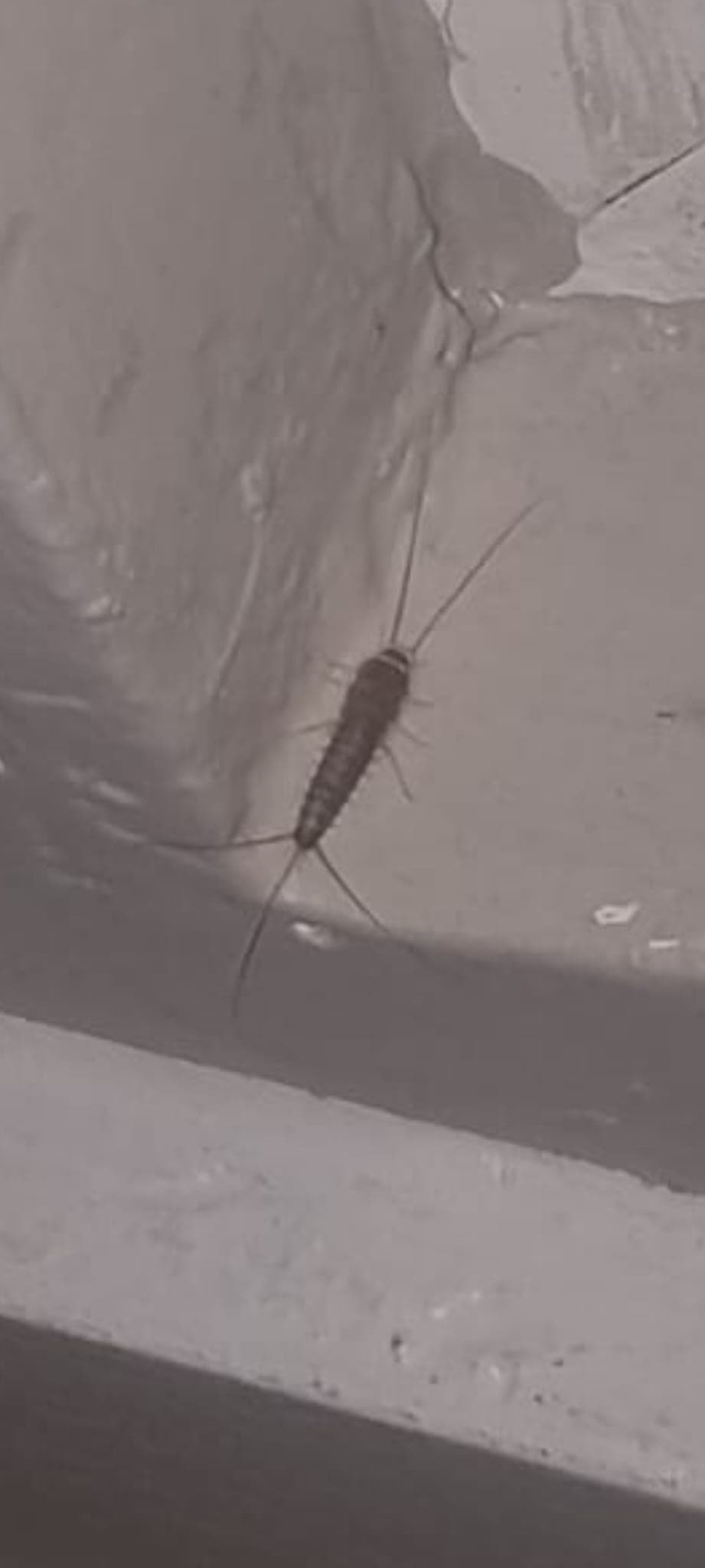
Silverfish in Ireland are usually harmless to people, but repeated sightings often point to damp, condensation and sheltered cracks. Identify the insect, locate the moisture or harbourage supporting it, and monitor whether activity continues.
This guide explains common silverfish, the recently documented grey silverfish, the silverfish nest myth, likely hiding places and a practical home-control sequence. It also shows when a small number may be managed through moisture correction and when silverfish control in Dublin is the more sensible next step.
If the insect does not match the descriptions below, do not guess. Silverfish should not be confused with unrelated household pests such as bed bugs, cockroaches or ants; a clear photograph can prevent the wrong treatment.
What Are Silverfish? The Silverfish Bug in Your House
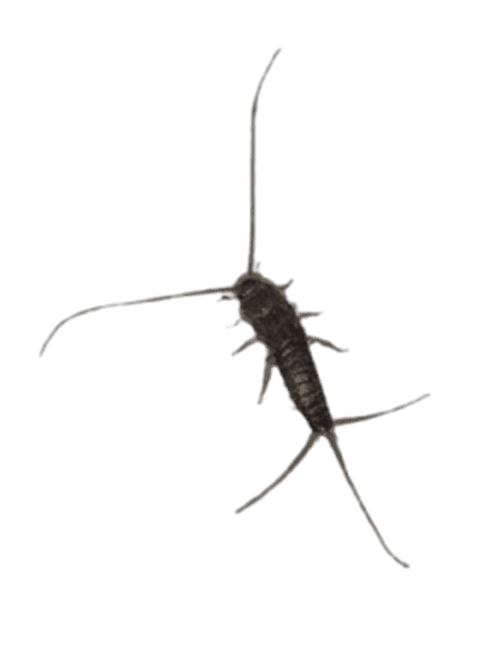
A silverfish bug in your house is a wingless insect, not a fish. Common silverfish (Lepisma saccharina) are tapered or carrot-shaped, usually around 10–15 mm long, with a silvery sheen, long antennae and three tail bristles. They move quickly and are most active at night, which is why a sudden bathroom sighting can feel surprising.
During daylight they stay in dark gaps, behind skirting, in cupboards, behind wallpaper or among damp paper and books. BPCA and Oxford City Council note that silverfish are often found trapped in baths, basins and sinks because they cannot climb the smooth sides after falling in.
Silverfish, Grey Silverfish or Firebrat? Identification Table
Common silverfish, grey silverfish and firebrats have all been recorded in Ireland. Use the table as a screening guide rather than a substitute for close identification.
| Species | Size and appearance | What to know |
|---|---|---|
| Common silverfish Lepisma saccharina | About 10–15 mm; silvery, tapered body; long antennae and three tail bristles. | Prefers dark, moist places. Commonly associated with bathrooms, kitchens, damp paper and sheltered cracks. |
| Grey silverfish Ctenolepisma longicaudatum | About 15–20 mm; grey or blotchy, bristly sides, with antennae and tails longer than common silverfish. | Can breed and cause damage at lower humidity. Likely spreads between buildings in packaging, crates and boxes. |
| Firebrat Thermobia domestica | About 12 mm; mixed beige-and-black pattern rather than a plain silver finish. | Recorded as very rare in Ireland in the 2025 Irish scientific paper. |
The important Irish identification gap is grey silverfish. O'Connor's 2025 paper for the Irish Biogeographical Society documents building records from Cork City in 2017, Galway City in 2019, Ballina in County Mayo in 2020, Balbriggan in 2021 and Castleknock in 2024, along with Antrim records. The paper says wider indoor distribution in Ireland is likely, but that is not evidence that every large silverfish is this species.
English Heritage's silverfish fact file explains that grey silverfish can breed at lower humidity than common silverfish. Therefore, fixing damp may be enough for a small common-silverfish problem but may not fully resolve established grey silverfish. If you cannot tell them apart, send a clear photograph before choosing a product or book professional silverfish identification and treatment in Dublin.
Are Silverfish Common in Ireland? What Earlier Callout Data Shows
Silverfish are established in Ireland, but the widely repeated callout percentages are historical Rentokil figures reported by newspapers, not a current national measure. They show that moisture-related activity has drawn attention in wet periods; they do not tell us how many Irish homes have silverfish today.
- Offaly Express reported a Rentokil Ireland increase of 171% in January 2018 versus January 2017. It cited 93.1 mm of rainfall at Dublin Airport in January 2018 versus 21.9 mm in January 2017.
- Kildare Now reported a Rentokil increase of 32% in December 2018 compared with the previous year, with Dublin accounting for the most callouts in that report.
- IrishCentral reported in January 2021 that Rentokil saw a 32% increase during November–December 2020 versus the previous year, with Dublin followed by Kildare, Limerick and Cork.
These figures relate to 2018 and 2020 reporting periods. They are included as dated context only and should not be treated as a present-day trend or as Supreme Pest Control data.
Why Do You Have Silverfish? Damp, Condensation and Food
Common silverfish usually persist where moisture, shelter and a suitable food source overlap. BPCA says persistent activity could indicate damp conditions that need attention, while Oxford City Council advises checking leaking pipes, gutters, condensation and ventilation.
Silverfish can feed on starchy materials including paper, labels, wallpaper paste, bookbinding glue, flour or cereal crumbs, and starch- or gelatine-coated materials. Cotton and linen may also be damaged. Microscopic mould can provide another food source, which is why cleaning visible insects without correcting damp often fails.
Where to look first
- Behind skirting boards, pipe casings and loose wallpaper near sightings.
- Inside dark cupboards and beneath sinks where leaks or condensation occur.
- Among damp books, papers, labels and cardboard boxes stored against cold walls or floors.
- Near unvented tumble dryers, cooking steam and bathrooms where moisture is not clearing.
- Around flour, cereal and other dry-food residues in kitchens or utility storage.
Silverfish in the Bathroom: Why They Appear and What to Do
Silverfish in the bathroom are usually there because the room supplies moisture and sheltered gaps, not because they live in the drain. A nocturnal insect may emerge from behind a skirting board or fitting, then become trapped in a smooth bath or basin where it is easiest to notice.
Run the extractor fan and ventilate after showers, repair leaking pipework and failed seals, and allow wet towels or bath mats to dry. Remove cardboard, paper storage and dust from damp cupboards. A simple hygrometer can help compare whether the room stays damp for long periods, but the reviewed sources do not support one universal humidity target for every home.
Silverfish in the House: Kitchens, Attics, Under-Stairs and Bedrooms
Silverfish in the house can occur beyond bathrooms wherever dark harbourage, food and moisture meet. In kitchens and utility areas, inspect beneath sinks, around pipework, behind skirting and near dry-food residues. In attics or under-stairs storage, check cardboard, books and paper kept close to damp surfaces.
Bedroom sightings do not mean silverfish feed on people. Check wallpaper edges, nearby cupboards, stored paper and the path back to a damp adjoining room or service void. If the insect is found on a bed, identify it before acting; that location alone is not evidence of bed bugs.
Do Silverfish Have a Nest?
No, silverfish do not build nests. Females lay eggs in batches inside small cracks and crevices in damp, sheltered places, and young silverfish live in or near damp food. What people call a silverfish nest is usually a harbourage area where moisture, gaps and food allow several life stages to remain hidden.
Look for scratched paper surfaces, bare or translucent patches, irregular holes with thinned edges, and cylindrical droppings or frass described by English Heritage. The useful strategy is to map sightings with sticky monitors, remove moisture and food, clean the harbourage and seal accessible gaps—not to wait until one central nest is found.
How Long Do Silverfish Live? Lifecycle Explained
Silverfish develop slowly and adults can live for more than three years, according to BPCA. Their speed of development depends on temperature, humidity and food, so an established problem can continue when favourable harbourage is left untouched.
- Egg: Females lay eggs in cracks and small gaps rather than a constructed nest. Oxford City Council says hatching can take about two to eight weeks.
- Nymph: Young silverfish resemble small adults and go through repeated moults. English Heritage says common silverfish remain in or close to damp food during early development.
- Adult: English Heritage gives approximately six to twelve months from egg to adult for common silverfish, depending on conditions. Adults continue to moult and may live for more than three years.
Sources disagree on egg totals, so a precise number is not useful here. The practical point is that females place batches in protected cracks over their lives, making moisture correction, monitoring and access to harbourage more important than counting visible insects.
Are Silverfish Harmful? Bites, Health and Property Damage
Silverfish do not bite or spread diseases to people, according to BPCA. Their significance is as a damp indicator and a potential source of material damage, especially where books, documents, labels, wallpaper or textile collections are stored.
The O'Connor paper describes damage in private residences as very limited, while libraries, museums and archives face greater risk because they hold large quantities of vulnerable paper and adhesive materials. At home, protect important documents and photographs in dry, sealed plastic containers rather than damp cardboard, and keep them away from wet walls and floors.
How to Get Rid of Silverfish in My House: Step by Step
The most reliable home approach combines monitoring, moisture correction, cleaning and sealing. Work through the steps in order so you can tell whether activity is falling and avoid applying products where they are not needed.
- Confirm the affected area. Place sticky insect monitors near sightings, skirting, cupboards and other suspected routes. BPCA recommends monitoring to understand how far activity has spread.
- Find and fix moisture. Check damp stains, pipework, seals and gutters, and manage condensation from showering, cooking or an unvented tumble dryer. Improve ventilation and use a dehumidifier where appropriate.
- Reduce harbourage. Vacuum cracks and edges, remove dust and clutter, and replace damp cardboard storage. Avoid moving suspect boxes into clean rooms without checking them.
- Seal accessible gaps. Once dry and clean, seal cracks and openings around skirting, cupboards and service penetrations where appropriate. Do not seal over an active leak or a gap that needs building repair.
- Protect food and paper. Store flour, cereal and similar dry food in tightly sealed containers. Keep books, papers and photographs dry and inspect packaging before long-term storage.
- Use products only as authorised. If a product is needed, confirm that it is legal and suitable for silverfish, follow the label exactly, and keep it away from children and pets. Gateshead Council warns that DIY chemicals can harm people, pets and the environment when misused. Boric acid is toxic to people and pets; this guide does not recommend a recipe.
- Re-check over several weeks. Date the monitors, record rooms and compare catches after repairs and cleaning. Continued activity helps show whether harbourage remains or professional identification is needed.
Lemon, lavender, cinnamon and cucumber remedies are widely repeated online, but the sources reviewed for this guide did not provide reliable evidence that they resolve an established silverfish problem. Masking activity with a scent is not a substitute for correcting damp, cleaning harbourage and monitoring.
Silverfish Treatment: When to Call a Professional
Professional silverfish treatment is appropriate when activity is daily, spread across several rooms or continues after moisture and harbourage problems have been addressed. It is also sensible when identification is uncertain, grey silverfish is suspected, valuable paper is at risk, or children and pets make DIY chemical use unsuitable.
- You keep seeing live insects or catching them in several rooms.
- Activity returns after leaks, condensation and clutter have been addressed.
- You cannot locate the damp source or likely harbourage.
- The insect looks larger, greyer and more bristly than common silverfish.
- Books, photographs, business records or an archive need protection.
- A landlord, tenant or property manager needs a documented assessment.
Supreme's existing professional silverfish treatment in Dublin describes an inspection-led service that may include targeted treatment, moisture-control advice, prevention recommendations and planned monitoring where appropriate. The exact product, visit count and follow-up scope are confirmed for the property rather than promised in this guide.
If you are renting, read our guide to pest responsibility for landlords and tenants in Ireland for the standards and reporting steps.
How to Stop Silverfish Coming Back
Prevention means keeping rooms dry and ventilated, reducing harbourage and checking whether monitors remain clear.
- Repair leaking pipework, failed seals and water-entry defects promptly.
- Ventilate bathrooms, kitchens and utility rooms after producing steam.
- Vacuum edges and cupboards and reduce long-term paper or cardboard clutter.
- Store dry food and important documents in sealed containers.
- Seal appropriate cracks only after damp and repair issues are resolved.
- Keep dated sticky monitors in previous hotspots and review them periodically.
Silverfish Questions
Do silverfish have a nest?
No. Silverfish do not build a nest or colony structure. Females lay eggs in batches inside small cracks and crevices in damp, sheltered places, and young insects remain close to moisture and food. The practical response is to find damp harbourage areas, monitor activity, seal gaps and correct the moisture source rather than search for one nest.
Are silverfish harmful, and do they bite?
Silverfish do not bite or spread diseases to people, according to BPCA. They are mainly a nuisance and a warning that damp conditions may need attention. They can feed on paper, bookbinding glue, wallpaper paste and some fabrics, so documents, photographs, books and cardboard storage are more vulnerable than people or pets.
Why do I have silverfish in my bathroom?
Bathrooms provide the dark, moist conditions common silverfish prefer. They may hide behind skirting, pipework and fittings, then become trapped in a smooth bath or basin. Improve ventilation after showers, repair leaks or failed seals, dry wet textiles and remove damp paper or cardboard while monitoring where the insects appear.
How do I get rid of silverfish in my house?
Start by confirming the affected rooms with sticky insect monitors. Find and repair leaks or condensation problems, improve ventilation, vacuum harbourages, remove damp cardboard, seal accessible cracks and store dry food securely. If activity is widespread or continues, arrange professional identification and treatment instead of repeatedly applying unsuitable household chemicals.
Do silverfish mean I have damp?
Persistent common silverfish activity can indicate damp conditions that need attention, although one insect does not diagnose a building defect. Check for condensation, leaking pipework, damaged seals, damp stains and poor ventilation. Grey silverfish can tolerate drier conditions than common silverfish, so identification matters when activity continues after moisture problems have been corrected.
What is a grey silverfish, and is it in Ireland?
Grey silverfish is a larger, greyer and more bristly relative of common silverfish, with especially long antennae and tail filaments. An Irish scientific paper published in 2025 documented records from buildings in Cork, Galway, Mayo, Dublin and Antrim. It can live at lower humidity, so damp reduction alone may not resolve established activity.
How long do silverfish live?
Common silverfish can take roughly six to twelve months to develop from egg to adult, depending on temperature, humidity and food, while Oxford City Council says eggs may hatch in two to eight weeks. BPCA reports that adults can live for more than three years. Females lay eggs in cracks over their lives rather than producing one visible nest.
When should I call a pest controller for silverfish?
Call when silverfish appear daily, occur in several rooms, return after moisture corrections, or threaten valuable books, documents or collections. Professional help is also sensible when you cannot identify the insect or damp source, suspect grey silverfish, need a written record for a rental property, or cannot use products safely around children or pets.
Sources
- British Pest Control Association: silverfish and damp
- English Heritage: silverfish and grey silverfish fact file
- Irish Biogeographical Society: O'Connor 2025 silverfish paper
- Oxford City Council: silverfish advice
- Gateshead Council: silverfish advice
- Offaly Express: 2018 Rentokil callout report
- Kildare Now: 2018 Rentokil callout report
- IrishCentral: 2020 Rentokil callout report