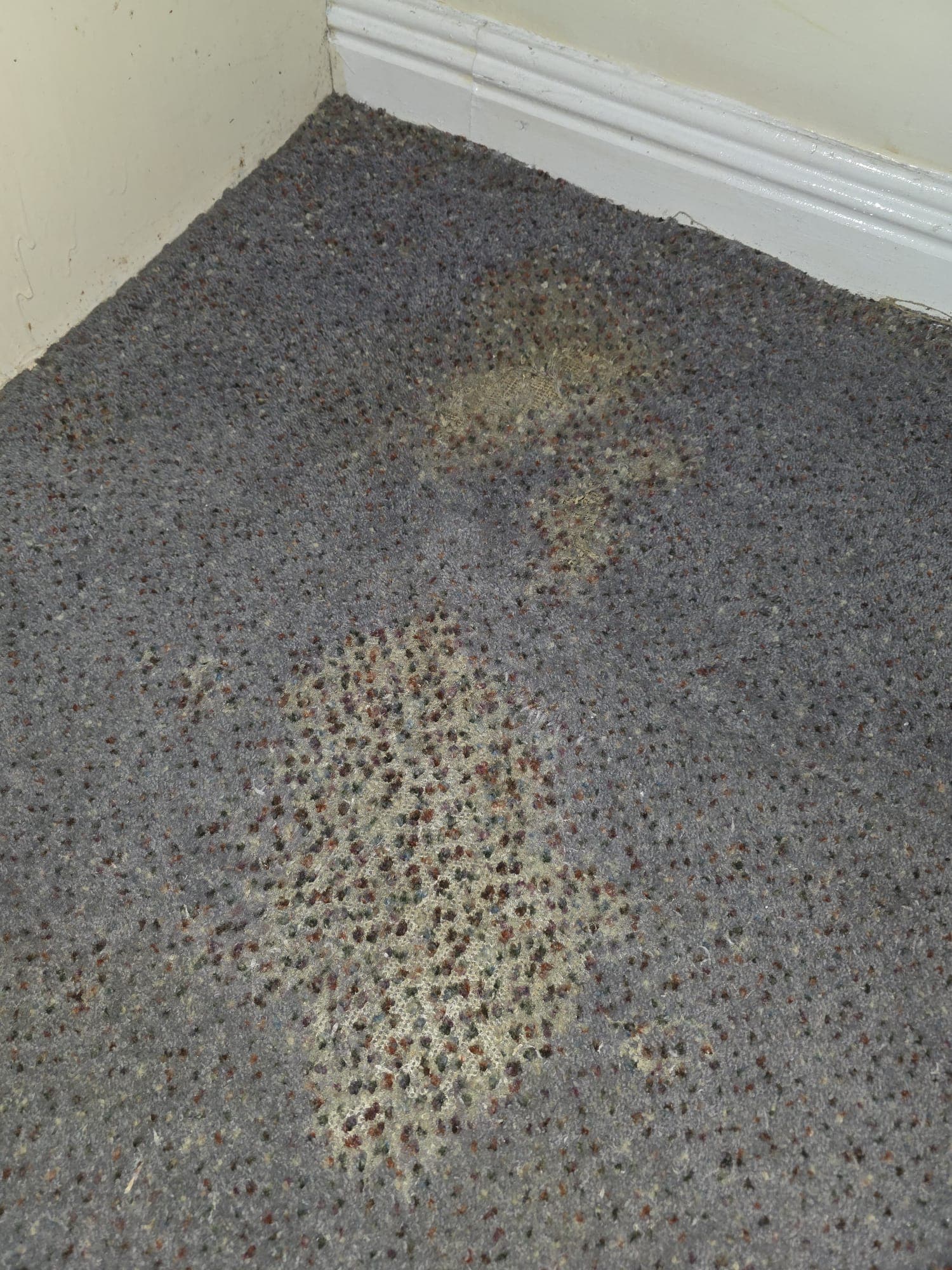
Small holes appearing in a wool jumper. A threadbare patch along a carpet edge. A scattering of tiny cream-coloured cocoons in a wardrobe corner. These are the signs that typically bring Dublin homeowners searching for a moth exterminator. Moth infestations cause real, sometimes expensive damage to natural-fibre items — from handwoven wool carpets in older Dublin properties to stored cashmere in bedroom wardrobes.
The good news is that moth infestations are treatable. The key is correctly identifying what you are dealing with before reaching for a solution, because not every moth problem is caused by the same pest or requires the same treatment.
⚡ Quick answer
If something is eating natural fibres in your Dublin home, the adult moths you see fluttering around a lamp are almost certainly not the cause. Adult clothes moths cannot feed at all. The damage is done by larvae — the white grubs that hatch from eggs laid in or near your wool carpet, clothing, or upholstery. Treatments that target only flying adult moths consistently fail.
1. What Type of Moth Is Causing the Problem?
Correctly identifying the species is the first step. In Ireland, four groups are responsible for the vast majority of household moth problems:
Common Clothes Moth (Tineola bisselliella)
The most frequently encountered fabric pest in Dublin. Adults are small — 6–8 mm wingspan — with plain, unmarked golden or straw-coloured wings. Unlike most moths, they avoid light and rarely fly, preferring to scuttle rapidly when disturbed. Larvae spin silk webbing as they feed. This is the moth most commonly responsible for holes in wool, cashmere, and other natural fibre garments.
Case-Bearing Clothes Moth (Tinea pellionella)
Similar in size and habit, but its larvae construct and carry a small portable silken case around themselves as they feed. You may spot these cases — about 10 mm long — clinging to fabric or carpet fibres. Equally destructive to natural fibres.
Brown House Moth (Hofmannophila pseudospretella)
Larger (15–26 mm wingspan), brown-flecked, and more likely to fly toward light. House moths are general scavengers found near kitchens, stored food, bird nests in loft spaces, and feather-filled items. Often confused with clothes moths, but size and flight behaviour distinguish them.
Pantry (Food) Moths
The Indian meal moth (Plodia interpunctella) and Mediterranean flour moth (Ephestia kuehniella) infest dry stored goods — flour, rice, cereal, seeds, pet food, and spices — not fabric. If activity is confined to kitchen cupboards rather than wardrobes or carpets, you are almost certainly dealing with a food moth, and the treatment approach is entirely different.
| Species | Target | Key Identifier |
|---|---|---|
| Common clothes moth | Wool, cashmere, fur, feathers | Plain gold wings, scuttles, silk webbing |
| Case-bearing clothes moth | Wool, cashmere, carpet | Larvae carry a silken tube case |
| Brown house moth | Feathers, food debris, fabric | Larger, mottled brown, flies toward light |
| Pantry / food moth | Flour, rice, cereals, pet food | Activity confined to kitchen cupboards |
2. Signs of a Moth Infestation in Your Dublin Home
Adult moths are often the least reliable sign. Look instead for evidence of larval activity:
- Irregular holes in natural-fibre garments — particularly wool, cashmere, angora, or fur. Damage often starts in hidden spots: collar undersides, armpit seams, cuffs, or the underside of folded items.
- Thinning or bald patches on carpet — along edges, under furniture, against skirting boards, or beneath area rugs rarely lifted. The pile compresses before individual fibres are visibly cut.
- Silken webbing, tubes, or cases on fabric surfaces — the common clothes moth spins a silk mat; the case-bearing moth larva carries a tubular case.
- Fine, sandy larval frass (droppings) near affected items — typically matching the colour of the material being consumed.
- Empty cocoon casings in wardrobe corners, drawer seams, or carpet edges — papery, cream-coloured, often mistaken for dust.
- Pale, worm-like larvae up to 10 mm long with a brown head in or near affected fabrics. Finding these confirms an active infestation.
⚠️ Important
Because clothes moth larvae actively avoid light and feed in undisturbed, dark locations, an infestation can be well established before it becomes visible. By the time the first holes appear in clothing or the first bald patch shows on a carpet, the infestation has usually been present for several weeks or months.
3. Where Moths and Larvae Actually Hide
- The back and underside of wardrobes, especially floor-level where wool items or blankets sit undisturbed. Older Dublin properties with built-in wardrobes sharing a chimney breast wall create the warm, dark microclimate clothes moths favour.
- Carpet edges along skirting boards and under heavy furniture — sofas, beds, and sideboards rarely moved. This is the most common location for carpet moth damage in Dublin homes.
- Upholstered furniture seams — particularly older pieces with natural fibre stuffing or horsehair, common in period Dublin properties.
- Stored out-of-season clothing and blankets — in attic boxes, under-bed storage, or vacuum bags with small holes. Items stored for 6+ months without disturbance are especially vulnerable.
- Piano felts, stuffed animals, and antique rugs — genuine sources in older Dublin properties containing heirlooms.
- Loft spaces with bird nesting material — feather and hair debris from pigeon or starling nests can sustain house moth populations before adults spread into living areas.
4. Why Moths Damage Clothes and Carpets — The Science
Adult clothes moths have vestigial (non-functional) mouthparts. They emerge from the pupal stage, mate, lay eggs, and die having consumed nothing. Females typically lay 40–100 eggs over a 2–3 week adult lifespan, each placed directly onto or into a natural-fibre food source. Eggs hatch in 4–10 days, producing caterpillar-like larvae that immediately begin feeding.
Clothes moth larvae are keratin specialists: keratin is the structural protein found in wool, hair, fur, feathers, and horn. The larvae produce a digestive enzyme — keratinase — that breaks down keratin. Clean silk (fibroin, not keratin) is a considerably weaker food source, though heavily soiled silk can attract larvae. Purely synthetic fibres are not a food source; however, wool-synthetic blends can still be damaged if wool content is sufficient. Larval development takes 2 months to 2 years depending on temperature. Dublin’s warm, centrally heated interiors accelerate development significantly.
5. Common Causes of Moth Infestations in Dublin Homes
- Secondhand furniture, rugs, and clothing introduced without inspection — charity shop finds, house clearances, and market purchases are a frequent introduction route in Dublin’s active secondhand market.
- Bird or rodent nests in loft spaces — feathers and hair debris from active nests sustain house moth colonies before adults spread into living areas.
- Long-term storage without disturbance — wool items or blankets stored for a full season or longer without being aired, inspected, or moved provide ideal conditions for undetected larval development.
- Adjacent properties in terraced or apartment buildings — Dublin’s high proportion of Victorian and Edwardian terraced housing means moth populations can spread through shared wall cavities, communal corridors, or storage areas.
- Unclean natural-fibre items stored away — perspiration, food residue, and body oils on wool or cashmere items significantly increase their attractiveness to egg-laying female moths.
6. DIY Moth Control: What Works, What Does Not, and Where It Falls Short
For a very small, newly discovered infestation confined to one area, a systematic DIY approach can be effective:
- Remove, inspect, and bag everything from the affected area. Check each item for holes, larvae, webbing, or frass. Any infested item should be treated or disposed of.
- Wash on the hottest safe setting. A 60°C wash kills eggs, larvae, and pupae. Items that cannot withstand heat should be dry-cleaned.
- Freeze what cannot be washed. Seal in a plastic bag to prevent condensation damage, freeze at −18°C for at least 72 hours. This kills all life stages.
- Vacuum thoroughly. Use a crevice tool along carpet edges, skirting boards, inside wardrobes and drawers, and under furniture. Empty the vacuum outside immediately.
- Use pheromone monitoring traps. Clothes moth pheromone traps attract and catch adult males, reducing mating success. Change the pheromone lure every 8–12 weeks.
- Apply a consumer residual spray to carpet edges, skirting boards, and wardrobe interiors. Permethrin- or pyrethrin-based sprays offer limited but genuine benefit at the margins of a small infestation.
Where DIY Consistently Falls Short
DIY fails in larger or longer-established infestations because larvae disperse widely into carpet edges, upholstery seams, and stored items that are practically impossible to treat comprehensively without professional equipment. A partial clean-up commonly leaves a sufficient larval population behind for the infestation to rebound within 4–8 weeks. If the infestation has spread across more than one room or involves a significant area of fitted carpet, professional moth removal is almost always the more cost-effective option.
7. Professional Moth Removal in Dublin: What Treatment Actually Involves
A professional moth exterminator’s visit begins with an inspection, not a spray. Identifying the species, mapping the extent of the infestation, and locating all source areas determines both the treatment approach and the likelihood of success.
Inspection
A thorough inspection covers all wardrobe interiors, carpet edges and under-furniture areas, upholstered furniture seams, stored natural-fibre items, and any loft areas where bird or rodent nesting material is suspected.
Residual Insecticide Treatment
Professional-grade residual insecticide products applied by a licensed technician are significantly more effective than consumer sprays in both active-ingredient concentration and coverage quality. Treatment is applied to carpet edges, skirting boards, wardrobe interiors, and affected upholstery. Products with residual activity continue working for several weeks after application.
Sub-Carpet Treatment
In severe infestations where larvae have spread beneath fitted carpets or floorboards, sub-carpet treatment may be warranted — most practical when carried out alongside carpet replacement.
Pheromone Monitoring
Traps are placed after treatment to monitor ongoing adult activity and confirm the infestation is declining. A follow-up inspection at 4–6 weeks verifies that treatment was successful.
Client Aftercare Guidance
No insecticide treatment reaches eggs inside stored fabric items, so a professional visit includes specific guidance on which items need washing, dry-cleaning, or freezing alongside the structural treatment.
What Supreme Pest Control Provides
- ✓Full property inspection to identify species and extent of infestation
- ✓Professional-grade residual insecticide treatment to carpets, skirting boards, and wardrobes
- ✓Pheromone monitoring traps installed post-treatment
- ✓Written aftercare guidance for item washing, freezing, and prevention
- ✓Follow-up visit available to confirm eradication
- ✓Same-day and emergency call-outs across Dublin, Meath, Kildare, and Wicklow
8. Moths in Dublin: Area-by-Area Guide
South Dublin Inner Suburbs (Rathmines, Ranelagh, Rathgar, Terenure, Sandymount, Donnybrook)
Dublin’s highest concentration of Victorian and Edwardian properties with original or period-replacement wool carpets. Clothes moth and carpet moth infestations are most frequently reported here. Older fitted carpets in place for many years and rarely lifted are a particular risk.
North Dublin Inner Suburbs (Drumcondra, Clontarf, Fairview, Glasnevin, Phibsborough)
Similar terraced housing stock. Shared terraced walls can facilitate moth spread between neighbouring properties, and older loft spaces with bird access are a known cause of house moth pressure from above.
Dublin Docklands and City Centre (D1, D2, D4)
Modern apartments less commonly have wool fitted carpets, reducing clothes moth risk. Pantry moth infestations are proportionally more common in city-centre kitchens with shared communal storage.
West and South-West Dublin (Lucan, Clondalkin, Tallaght, Blanchardstown)
Predominantly semi-detached and detached housing from the 1970s onward with mixed carpet types. Moth infestations here are more commonly linked to secondhand furniture purchases or cross-unit spread in apartment complexes.
County Meath, Kildare, and Wicklow
Supreme Pest Control covers the full commuter belt. Rural properties with older houses and stored natural-fibre items occasionally present with house moth or case-bearing clothes moth infestations in rarely-used areas of the property.
9. Moth Prevention: How to Protect Your Home Long-Term
- Clean natural-fibre items before storage. Perspiration, food stains, and body oils are significantly more attractive to egg-laying female moths than clean wool. Wash or dry-clean garments before storing for more than a few weeks.
- Store in sealed, airtight containers. Vacuum storage bags (fully sealed) or lidded plastic boxes prevent adult moths from accessing stored items. Cardboard boxes are not moth-proof.
- Air and disturb stored items regularly. Removing, shaking, and re-hanging stored garments disrupts the still, dark environment larvae need to develop.
- Vacuum under furniture and along carpet edges regularly. Consistent vacuuming removes larvae, frass, and dislodges eggs before they develop into a significant population.
- Inspect secondhand items before bringing them indoors. Secondhand furniture, rugs, and clothing should be inspected carefully — and ideally laundered or frozen — before entering the home.
- Use cedar or lavender in wardrobes. These may deter female moths from laying eggs in stored clothing but are not effective against established infestations and require regular refreshing.
- Monitor with pheromone traps. A trap in each wardrobe alerts you to adult male moth activity before damage begins, giving you the opportunity to intervene early.
- Check loft spaces for bird or rodent nesting. Bird nests in loft access points or roof voids can sustain house moth populations that eventually move into living areas.
10. Advice for Dublin Landlords, Tenants, and Property Managers
Carpet moth infestations in fitted carpet are rarely attributable to a specific tenant’s behaviour — they develop over time, often from a population already present in the property, and are genuinely difficult to detect until significant damage has occurred.
Practical steps for Dublin landlords and property managers:
- Include carpet edges and wardrobe interiors in end-of-tenancy inspection checklists, not just surface cleaning assessments.
- Consider scheduling a professional moth inspection for properties with original or long-established wool carpets between tenancies.
- For multi-unit buildings, address confirmed infestations in one unit promptly — moth populations can spread through shared wall cavities and communal storage.
- For commercial premises such as hotels or guesthouses, moth activity is most effectively managed through scheduled commercial pest control inspections.
11. How Much Does Moth Treatment Cost in Dublin?
The cost of professional moth extermination in Dublin depends on property size, the number of affected areas, and the severity of the infestation. Any company quoting a fixed price without first inspecting the property is making significant assumptions about what they will find.
Supreme Pest Control provides free, no-obligation quotes for all moth control work. Most residential moth treatments in a standard 3–4 bedroom Dublin house are completed in a single visit. To get an accurate quote, contact us via the form on our website, call +353 89 446 3105, or WhatsApp +353 89 446 3105.
12. When to Contact a Dublin Moth Exterminator
DIY steps are worth trying first if the infestation is small and newly discovered. It is time to call a professional when:
- Damage has appeared in more than one room or wardrobe area
- Carpet damage runs along an edge or under furniture rather than being a single small isolated patch
- A previous DIY attempt has not stopped new damage from appearing after 4–6 weeks
- You cannot identify or access all potential source areas (e.g. under fitted carpets, in a shared loft)
- The infestation is in a rental, HMO, or commercial property where the source needs to be properly identified and documented
- The affected items include valuable or irreplaceable natural-fibre textiles, antiques, or rugs
Supreme Pest Control provides residential and commercial pest control across Dublin (D1–D24), Meath, Kildare, and Wicklow. Read more on the about page, see real feedback in our verified testimonials, or get in touch for a free quote. WhatsApp us at +353 89 446 3105.
Common Questions
Frequently Asked Questions About Moth Treatment Dublin
Expert answers from our certified moth exterminator team serving Dublin D1–D24, Meath, Kildare and Wicklow.
Are moths a common problem in Dublin homes?
+
Yes. Clothes moths and carpet moths are a regular pest issue in Dublin, particularly in older Victorian and Edwardian properties in areas like Rathmines, Ranelagh, Rathgar, Sandymount, and Clontarf where original wool carpets and stored natural fibre furnishings are common. Dublin mild, damp climate means moths can breed year-round indoors.
What is the difference between clothes moths and carpet moths?
+
Carpet moth is not a distinct species. It is a common name for the same clothes moth species (Tineola bisselliella or Tinea pellionella), or occasionally house moths, when the damage appears on carpet rather than clothing.
Do adult moths eat clothes or carpets?
+
No. Adult clothes moths have no functional mouthparts and do not feed at all. The damage is caused exclusively by larvae that feed on keratin-rich natural fibres such as wool, cashmere, fur, and feathers.
How do I know if I have a moth infestation?
+
Key signs include: irregular holes in wool or cashmere garments, thinning or bald patches along carpet edges and under heavy furniture, small silken tubes or webbing on fabric surfaces, fine sandy frass near affected items, and empty cocoon casings in wardrobe corners or drawer seams.
How do I get rid of moth larvae at home?
+
For a small, newly discovered infestation: remove and inspect all items in the affected area; wash on the hottest safe cycle or dry-clean; freeze delicate items in a sealed bag for at least 72 hours; vacuum carpet edges, skirting boards, and wardrobe interiors; use pheromone traps. For established or multi-room infestations, professional treatment is significantly more effective.
How much does a moth exterminator cost in Dublin?
+
The cost varies by property size and infestation extent. Supreme Pest Control offers free, no-obligation quotes. Contact via website form or call +353 89 446 3105 for an accurate assessment.
Can moths come back after professional treatment?
+
Yes, if eggs or larvae in an overlooked location survive the initial treatment. This is why a thorough inspection and follow-up monitoring visit are as important as the treatment itself.
When should I call a professional moth exterminator?
+
Call a professional when: damage has appeared in more than one room; carpet thinning runs along an edge under furniture; a previous DIY attempt has not resolved the problem after 4-6 weeks; or the infestation is in a rental, commercial, or multi-unit property.
How long does professional moth treatment take to work?
+
Residual insecticide treatment begins working on contact but typically takes 2-4 weeks to have full effect. A follow-up inspection at 4-6 weeks confirms whether the infestation has been resolved.
Does Supreme Pest Control cover my area of Dublin?
+
Yes. Supreme Pest Control covers all Dublin postcodes (D1 through D24), County Meath, County Kildare, and County Wicklow. Same-day and emergency call-outs are available across this area.
Continue Reading
Flea Treatment Dublin: Season Guide & Professional Removal
When does flea season peak in Dublin? How to spot signs early, why DIY fails, and professional flea removal.

Bed Bug Treatment Dublin: Signs, Risks & Professional Removal
Discover early warning signs of bed bugs and professional heat and chemical treatments available in Dublin.

Silverfish Infestation Dublin: Causes & Solutions
Identify silverfish activity and protect your household or commercial property across Dublin.
Protect Your Home or Business
Contact Supreme Pest Control Dublin Today
Same-day and 24/7 emergency moth treatment across all Dublin districts D1–D24, Meath, Kildare, and Wicklow. Free no-obligation quotes from certified moth exterminator specialists.
Fully Licensed · DAFM PMU Certified · CRRU Wildlife Aware · Insured