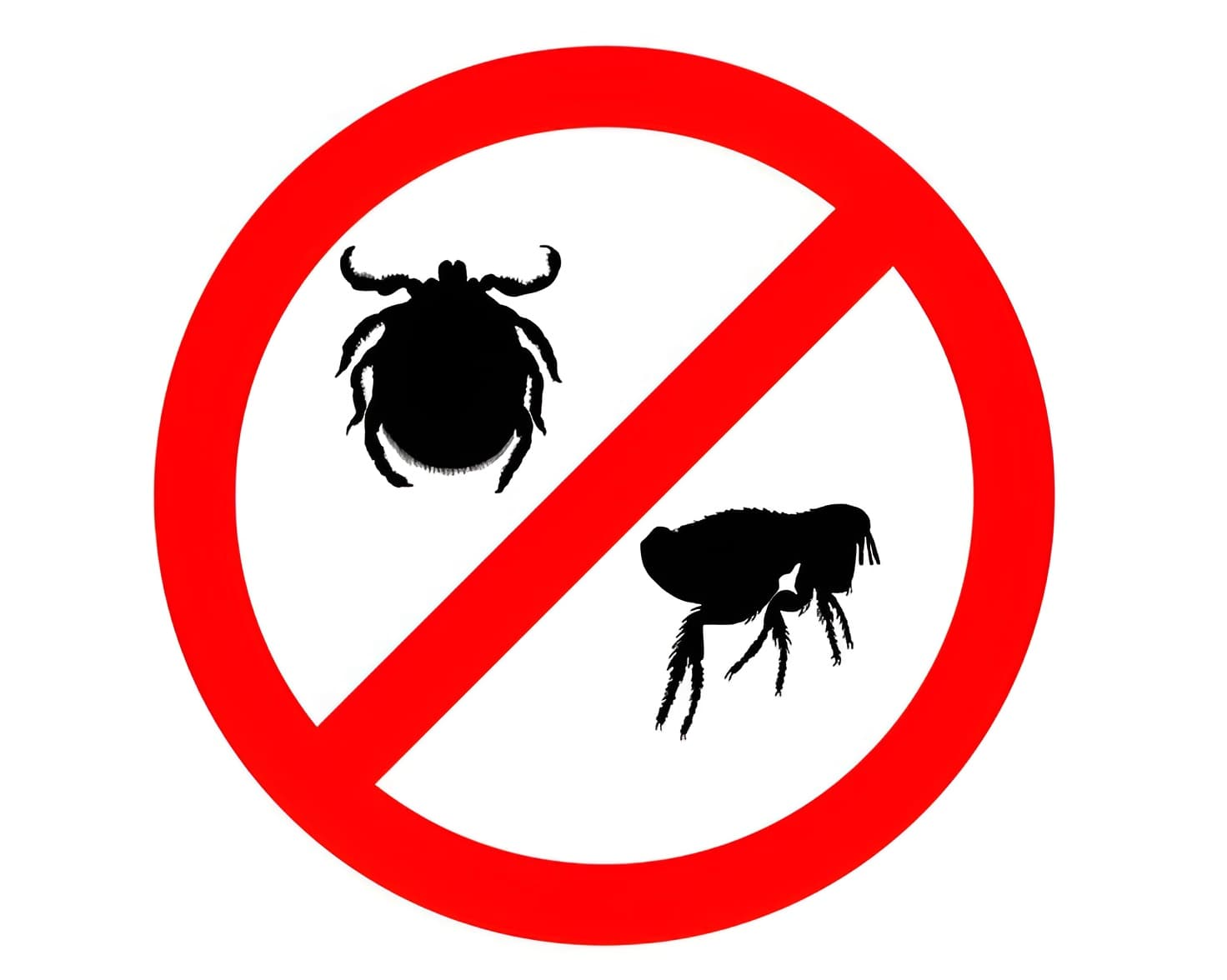
Finding a flea infestation inside your home can happen surprisingly quickly. One day your pet is scratching a little more than usual, and the next, you are dealing with painful, itchy red bites around your ankles. In Ireland, flea problems are a widespread seasonal issue that catches hundreds of homeowners off-guard every year, in Tallaght, Swords, Rathmines, Drumcondra, Blanchardstown, and across every Dublin postcode.
Because our modern homes are centrally heated, what used to be a strictly summer pest has turned into a year-round structural threat. If you are currently dealing with a jumping, biting population in your carpets, securing a professional flea treatment Dublin specialist is the only guaranteed way to break their reproductive cycle completely.
Below is the definitive local guide on when flea season peaks in Ireland, how to spot the signs early, why DIY always fails, what to do after treatment, and how to protect your household from a stubborn infestation.
Also dealing with rodents? Rat Infestation Dublin: 8 Warning Signs → and How to Get Rid of Mice in Dublin →
1. When Does Flea Season Peak in Ireland?
While fleas can survive indoors 365 days a year due to domestic heating systems, their outdoor populations explode during the warmer months. In Dublin and across Leinster, peak flea season runs from May through September.
Outdoor populations emerge. Eggs begin entering homes via pets and wildlife.
Eggs hatch in 2–3 weeks. Highest call-out volume for flea treatment Dublin.
Heating triggers dormant pupae. Secondary indoor infestations peak Oct–Nov.
Fleas thrive in high humidity and ambient temperatures between 21°C and 29°C, the classic mild Irish summer provides the exact environmental incubator they need to accelerate their life cycle. During these months, an egg can develop into a fully biting adult flea in as little as two to three weeks.
When autumn arrives, the problem doesn't vanish, it simply shifts indoors. As Dublin residents turn on their heating, hidden flea eggs deposited deep within carpet pile suddenly hatch, causing a secondary surge in indoor infestations throughout October and November. This is one of the most common surprise scenarios we handle across Dundrum, Lucan, Clondalkin, and Dún Laoghaire.
2. Spotting the Signs of a Flea Infestation Early
Individual adult fleas measure just 1mm to 4mm in length and are flat-bodied, making them exceptionally difficult to spot until the population is already out of control. Instead of waiting to see the insects themselves, look for these tell-tale warning signs:
Ankle & Lower Leg Bites
Fleas can't jump high enough to target human upper bodies easily. Clusters of tiny, intensely itchy red bumps concentrated around your feet, ankles, and lower legs are a strong indicator.
Excessive Pet Grooming
Watch your dogs and cats. Constant scratching, biting, or chewing at their hindquarters, base of the tail, or groin area indicates reaction to irritating flea saliva.
Flea Dirt in Carpet
Dark specks resembling ground black pepper in carpet pile, pet bedding, and on skirting boards. Confirm with the white paper test below.
Live Fleas Jumping in Carpet
In severe infestations, particularly in Tallaght and Blanchardstown, fleas are visibly jumping from carpet pile.
🧪 The Professional White Paper Flea Dirt Test
- 1Place your pet on a large sheet of white paper or a white towel.
- 2Comb through their fur thoroughly using a fine-toothed flea comb.
- 3Knock the collected debris onto the white surface.
- 4Spritz the debris lightly with a few drops of water.
- 5If the black specks dissolve and turn a distinct reddish-brown, it is "flea dirt" (digested blood droppings). If it remains black, it is regular garden dirt.
3. The Vectors: Why Pets and Urban Wildlife Spread Infestations
By far the most common species encountered by our teams is the Cat Flea (Ctenocephalides felis), which is responsible for over 75% of both cat and dog flea infestations in Ireland. However, fleas are also brought into residential properties by local wildlife vectors.
| Vector Source | How They Introduce Fleas |
|---|---|
| Domestic Pets | Picking up adult fleas while interacting with other animals at public parks like St. Anne's or Phoenix Park in Dublin. |
| rodents & Rodents | Dublin's large urban rat populations carry fleas constantly. They drop eggs onto garden lawns, tall grass, and patio decking where your pets play. |
| Vacated Bird Nests | In spring and autumn, Bird Fleas (Ceratophyllus gallinae) migrate away from abandoned nests under roof eaves and enter attic spaces, eventually biting human occupants. |
| New Tenants / Vacant Homes | Dormant pupae from a previous pet-owning occupant can remain alive for up to 9 months, hatching en masse when a new tenant triggers environmental signals. |
4. “We Don't Have Pets”, You Can Still Get Fleas in Dublin
A common myth among Dublin homeowners is that a clean house without pets is completely safe from fleas. This is factually incorrect, and it is one of the most important things we tell customers who call us from Ranelagh, Sandymount, Cabinteely, and other areas.
⚠️ Three Scenarios Where Non-Pet Dublin Homes Get Flea Infestations
- →rodents and rodents deposit flea eggs in your garden overnight. Your children or shoes carry them indoors.
- →Bird fleas (Ceratophyllus gallinae) migrate from abandoned nests in roof eaves, particularly common in older Dublin terraced housing in Drumcondra, Phibsborough, and Rathmines.
- →You move into a property previously occupied by pet owners. Dormant flea pupae embedded in the carpet hatch en masse when they detect your body heat and CO₂.
If you are a flea control Dublin customer without any pets but still experiencing bites, contact us immediately. Identifying the source vector is the critical first step in preventing re-infestation.
5. Flea Allergy Dermatitis (FAD): The Hidden Health Danger
Most people think of flea bites as a minor annoyance. But for a significant portion of Dublin households, both pets and their owners, flea infestations escalate into a serious medical issue known as Flea Allergy Dermatitis (FAD).
FAD in Pets
- ✓Severe, relentless itching and scratching
- ✓Hair loss (alopecia) particularly at base of tail
- ✓Hot spots and raw, weeping skin
- ✓Secondary bacterial skin infections
- ✓Requires veterinary treatment alongside flea removal
FAD in Humans
- ✓Even a single flea bite triggers immune response
- ✓Widespread hives, redness, and severe swelling
- ✓Intense itching lasting days or weeks
- ✓Risk of secondary infection from scratching
- ✓Particularly severe in children and the elderly
If you or your pets are experiencing symptoms consistent with FAD, prompt flea exterminator Dublin intervention is essential. Do not delay treatment waiting to see if the situation resolves on its own.
6. Why DIY Flea Treatment Always Fails, The 9-Month Dormancy Trap
Every week, we receive calls from frustrated Dublin homeowners who have tried every shop-bought flea spray, fogger, and powder available, and the fleas have returned, often worse than before. The reason is simple and almost universal: DIY products cannot penetrate the flea pupal stage.
The 4-Stage Flea Lifecycle, Why Stage 4 Defeats Every DIY Product
50% of all flea population. Deposited in carpet fibres, pet bedding, skirting boards.
Lives deep in carpet pile. Photophobic, actively avoids light and hides.
Protected by a silken, sticky cocoon. Completely impenetrable to all DIY sprays. Dormant up to 9 months.
Only stage killed by DIY sprays. Hatches from pupa when triggered by heat, vibration, and CO₂.
The pupal cocoon is physically sticky, constructed from carpet fibres and environmental debris. Not only is it chemically resistant, it actively camouflages itself against surfaces, making it nearly impossible to hoover out even with repeated vacuuming.
What Professional Dual-Action Treatment Does Differently
Professional-grade insecticide applied to all surfaces, carpets, skirting boards, and soft furnishings. Remains active for up to 12 weeks, killing adult fleas as they hatch from pupae.
Commercial IGR (e.g., S-methoprene or pyriproxyfen) mimics juvenile hormone. Prevents larvae and emerging adults from reaching reproductive maturity, permanently breaking the flea's lifecycle.
7. Our Professional Flea Treatment Process in Dublin
When you book a professional flea treatment with Supreme Pest Control, here is exactly what to expect from our certified technicians:
- 01Free Pre-Treatment Consultation
Our technician conducts a full property survey, identifying infestation hotspots, likely entry vectors, pet resting areas, and all affected rooms. We also confirm whether the species is cat flea, dog flea, or bird flea.
- 02Pre-Treatment Preparation Guidance
We advise you to vacuum all carpets before treatment (to stimulate pupae hatching), wash all pet bedding at 60°C, and remove all pets, children, and vulnerable adults from the premises.
- 03Dual-Action Chemical Application
Our licensed technicians apply a professional-grade residual adulticide combined with a commercial Insect Growth Regulator (IGR) to all carpeted surfaces, skirting boards, furniture undersides, and any identified harbouring sites.
- 04Hard Floor & Structural Proofing
Flea larvae crawl away from light and hide in gaps between floorboards, under skirting boards, and beneath heavy furniture. We treat all hard floor junctions and identified structural harbourage points.
- 05Written Service Report & Aftercare Guidance
On completion you receive a full written service report detailing biocides used, Safety Data Sheets (SDS), treated areas, and the complete post-treatment aftercare protocol.
Need same-day flea treatment in Dublin?
Our certified technicians are available today across all Dublin postcodes, Meath, Kildare and Wicklow.
8. Post-Treatment Aftercare: What to Do (and What Not to Do)
This is the section most homeowners overlook, and the most common reason why treatment appears to have “failed” when in fact it is working exactly as expected. Following these aftercare instructions is critical:
✅ DO After Flea Treatment
- ✓Wait 2–4 hours before re-entering the property (exact time from your technician)
- ✓Continue vet-recommended flea prevention on all pets
- ✓After 14 days, resume vacuuming, this stimulates remaining pupae to hatch into the treated surface
- ✓Wash all pet bedding again at 60°C after 7 days
- ✓Report any continued activity after 6 weeks to arrange a follow-up inspection
⛔ DO NOT After Flea Treatment
- ⛔Do NOT vacuum for a minimum of 14 days, this removes the residual insecticide
- ⛔Do NOT mop hard floors with water or cleaning products for 14 days
- ⛔Do NOT apply any other insecticides or flea products, these degrade the professional treatment
- ⛔Do NOT assume treatment has failed if you see adult fleas for up to 6 weeks, this is normal
- ⛔Do NOT leave pets untreated, the flea lifecycle cannot be broken without treating both the environment and the host
Seeing live fleas for up to 6 weeks after treatment is entirely normal. Newly hatched adults are contacting the residual insecticide on carpets and dying, exactly as the treatment intended. This does not mean the treatment has failed. Calling us back unnecessarily in the first few weeks delays the natural die-off process.
9. Commercial Flea Treatment Dublin: Kennels, Groomers & Rental Properties
Flea infestations in commercial environments require a different approach to residential treatment. Supreme Pest Control provides specialist commercial flea treatment Dublin services for:
Pet Groomers & Kennels
High-throughput environments where fleas transmit between animals constantly. We provide recurring treatment contracts and interim rapid-response call-outs.
Rental & Vacant Properties
Pre-tenancy flea treatment to ensure dormant pupae are eliminated before new tenants arrive. Essential for landlords across Dublin, Meath, Kildare, and Wicklow.
Offices & Commercial Units
Staff bringing in pet-carrying clothing or bags can introduce fleas to an office environment. We provide HACCP-compliant documentation for all commercial treatments.
Common Questions
Frequently Asked Questions About Flea Treatment Dublin
Expert answers from our certified flea exterminator team serving Dublin D1–D24, Meath, Kildare and Wicklow.
How much does flea treatment cost in Dublin?
+
Professional flea treatment in Dublin starts from €149 for a standard residential property. Cost depends on property size, infestation severity, and whether multiple rooms require treatment. Supreme Pest Control provides free no-obligation quotes with no hidden charges.
When does flea season peak in Dublin?
+
July and August are peak flea season across Dublin and Ireland. A secondary surge occurs in October–November when heating is switched on, triggering dormant pupae in carpets. Centrally heated Dublin homes support fleas year-round.
Do I need to leave my house during flea treatment?
+
Yes, all residents and pets must vacate for 2–4 hours while the residual insecticide and IGR dry. Your technician will give exact re-entry times based on the specific products used.
How long does professional flea treatment take in Dublin?
+
The treatment takes 45–90 minutes. Complete elimination of all life stages, including dormant pupae, can take up to 3–6 weeks post-treatment as remaining pupae hatch and contact the residual insecticide.
Can I get fleas without having pets?
+
Yes. Urban rodents, and bird fleas (Ceratophyllus gallinae) from abandoned nests introduce infestations to Dublin homes without pets. New tenants in previously pet-occupied properties frequently encounter dormant pupae that hatch on arrival.
Why do fleas keep coming back after DIY treatment?
+
Shop-bought sprays can't penetrate flea pupae cocoons. Pupae remain dormant for up to 9 months and hatch when triggered by vibration, CO₂, or heat. Only professional IGR treatment breaks the complete reproductive cycle.
What should I do after professional flea treatment?
+
Do not vacuum for at least 14 days. Don't mop hard floors. Continue vet-recommended pet flea prevention. Expect some adult fleas for up to 6 weeks as remaining pupae hatch and contact the residual insecticide, this is normal and confirms the treatment is working.
Do you offer same-day flea treatment across Dublin?
+
Yes. Supreme Pest Control provides same-day and 24/7 emergency flea treatment across all Dublin postcodes D1–D24, including Tallaght, Swords, Blanchardstown, Rathmines, Drumcondra, and Dún Laoghaire, plus Meath, Kildare and Wicklow.
Continue Reading

Bed Bug Treatment Dublin: Signs, Risks & Professional Removal
Discover early warning signs of bed bugs and professional heat and chemical treatments available in Dublin.
Rat Infestation Dublin: 8 Warning Signs & What To Do
Identify rat activity and protect your household or commercial property across Dublin.

How to Get Rid of Mice in Dublin
Spot warning signs and get rid of mouse infestations safely and permanently.
Protect Your Home or Business
Contact Supreme Pest Control Dublin Today
Same-day and 24/7 emergency flea treatment across all Dublin districts D1–D24, Meath, Kildare, and Wicklow. Free no-obligation quotes from certified flea exterminator specialists.
Fully Licensed · DAFM PMU Certified · CRRU Wildlife Aware · Insured