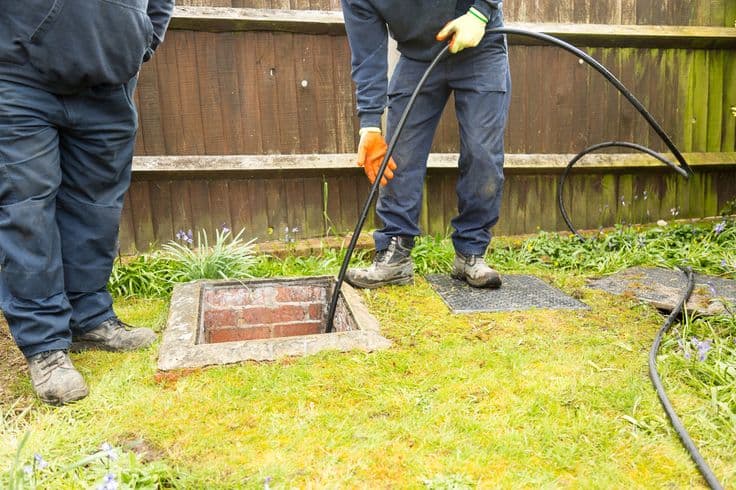
A rat drain survey checks accessible drainage for a credible route between the sewer system and a building. In Dublin, that usually means opening safe inspection points, mapping relevant branches and using CCTV where the pipe can be viewed. The result should identify what was inspected, what was found and what should happen next—not promise that every rat came through one pipe.
If you searched for a drain survey for rats near me, send the Eircode, affected rooms, nearest chambers, photographs, timing of activity and any work already attempted. That lets the first visit focus on the right section of drainage and the wider building evidence.
When Is a Drain Inspection for Rats Worth Booking?
A drain inspection for rats is a sensible next step when the pattern points below ground: repeated noises beneath a ground floor, activity beside soil pipes or an outside drain, droppings around service voids, excavation near a chamber, or recurring evidence after obvious above-ground gaps have been addressed.
It is not automatically the first step for every rat sighting. Open doors, damaged vents, roof junctions, shared walls, stored food and neighbouring properties can all provide routes. A competent inspection keeps both possibilities open until the evidence narrows them.
Evidence to gather before the visit
- Dates, times and exact locations of sightings, noises or droppings.
- Photographs of safe-to-view chambers, gullies and disturbed ground.
- A simple sketch showing kitchens, bathrooms and the suspected drain route.
- Any previous CCTV footage, building work, blockages or repair invoices.
- Whether neighbours or adjoining commercial units report similar activity.
What Does a Rat Drain Survey Check?
The visit starts above ground. The technician needs to understand the building, visible pest evidence and accessible drainage before placing a camera in a pipe. Relevant checks can include inspection chambers, pipe direction, redundant connections, displaced joints, cracks, missing caps, open branches and signs of recent excavation or settlement.
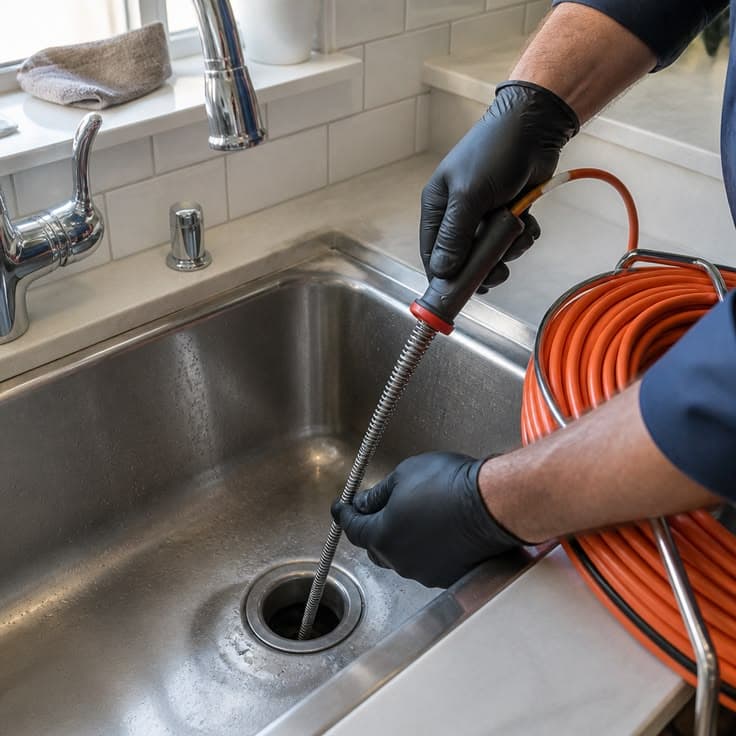
Drain tracing may be needed when the layout is unclear or records do not match the property. CCTV can then document reachable sections. Access, standing water, heavy deposits, sharp bends and collapsed pipework can limit how far the camera travels; those limits belong in the handover.
What the survey can and cannot prove
Footage can show a physical defect that a rat could use. It cannot always prove the animal travelled that exact route. The strongest conclusion combines the pipe finding with camera activity, footprints, rub marks, droppings and the location of indoor evidence. If the drain is sound, the investigation moves back to the building envelope and adjoining properties.
Rats in Drains Ireland: Why the Pipe Defect Matters
Searches for rats in drains Ireland often treat the sewer as the whole problem. The actionable issue is usually the connection between drainage and occupied space. An intact system separates wastewater from the building; a broken junction, unused branch, poorly sealed service opening or damaged chamber can create a route that deserves repair or exclusion work.
A rat flap or non-return device may be considered in suitable pipework, but it is not a substitute for locating structural defects, clearing the line or checking the building. Device type, direction, diameter, flow and maintenance access must suit the drain. Any proposed work should be tied to the survey finding.
Can You Put Rat Poison in Drain Pipework?
No—do not put rat poison into a drain yourself. In Ireland, rodenticide use is controlled by the product authorisation, label and user category. Department of Agriculture guidance reserves sewer and certain outdoor uses for trained professional users using authorised products under the applicable risk controls. An amateur pack intended for indoor mice or use around buildings is not permission to drop bait into wastewater pipework.
Department of Agriculture rodenticide guidance explains the trained-professional controls for relevant uses. Loose bait can be displaced, contaminate areas that were never meant to be treated and expose non-target animals. Keep children and pets away from suspected bait or carcasses. A safer response is to document evidence, secure waste and have the route assessed before any control measure is selected.
Who Is Responsible for Rats in Drains?
The answer follows the affected pipe and the property relationship. Uisce Eireann's current blockage guidance says owners are generally responsible for internal plumbing, private drains and the service connection to the public sewer; Uisce Eireann maintains the public sewer network. A landlord, management company or several owners on a shared private drain may need to coordinate access and repairs.
If a contractor cannot clear a private connection and suspects a structural failure in a public area, Uisce Eireann may request a competent CCTV report. Report public sewer flooding or sewage through its official channel. Immediate danger from a collapse, traffic hazard or electrical contact belongs with the emergency services.
What Happens After a Rat Drain Survey?
The next action should follow the recorded finding. A blockage may require cleaning before another camera pass. A displaced joint or open branch may need drainage repair. A suitable line may support a maintained rat-exclusion device. Clear pipework shifts attention to wall cavities, rooflines, doors, vents, service penetrations and neighbouring sources.
- Confirm which sections were viewed and which were inaccessible.
- Request footage, stills or a written finding summary where included in scope.
- Match each recommended action to a recorded location or pest clue.
- Arrange the relevant cleaning, repair, proofing or monitoring.
- Keep dated evidence so new activity can be compared with the baseline.
Rat Drain Survey FAQs
What is a rat drain survey?+
A rat drain survey is a targeted inspection of accessible drainage associated with suspected rodent entry. A technician checks chambers and visible connections, then may use CCTV to record defects, redundant branches, open connections or other routes that could link the drainage system to the building.
When is a drain inspection for rats worth doing?+
It is useful when rat activity is concentrated at ground-floor kitchens or bathrooms, beneath floors, near an inspection chamber, or continues despite above-ground proofing. It should support a wider rodent inspection rather than replace one.
Can you put rat poison in drain pipework?+
Do not place rat poison into a drain yourself. Irish authorisations, product labels and user categories control where rodenticides may be used. Sewer baiting is specialist work for suitably trained professional users with an authorised product and a documented risk assessment.
Who is responsible for rats in drains?+
Responsibility depends on where the defect and activity sit. A property owner is generally responsible for internal plumbing, private drains and the service connection to the public sewer; Uisce Eireann maintains the public sewer network. Landlord, management-company or shared-drain responsibilities may also need to be established.
Will a CCTV survey prove how rats entered?+
It can record a credible pipe defect or open route, but footage alone may not prove that a rat used it. Findings should be compared with droppings, rub marks, camera activity, building layout and above-ground access points before repairs are specified.
What should a drain survey report contain?+
Ask what pipework was accessible, where the camera travelled, what was observed, approximate defect locations, whether footage or still images are included, any limits to the inspection and the recommended next action.